.svg)
.svg)
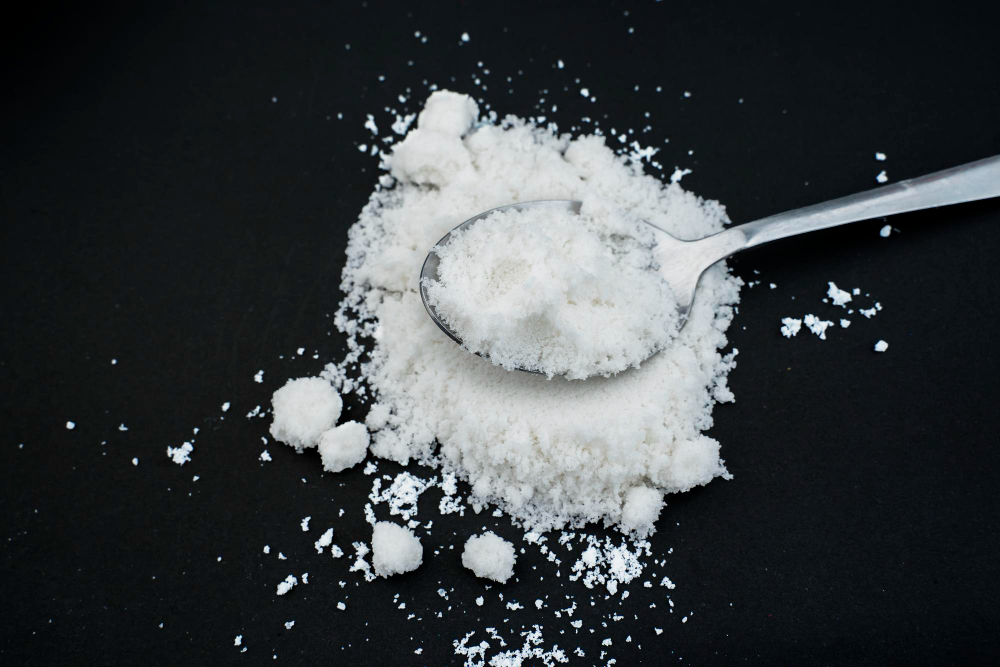
Taurine
Taurine is a sulfur-containing amino acid found abundantly in skeletal muscle, the brain, and the heart. Unlike most amino acids, it is not used to build proteins but instead plays vital roles in osmoregulation, calcium signaling, and antioxidant defense. Because of its widespread functions in the body, taurine is considered conditionally essential, particularly during times of physical stress and heavy training.
For athletes, taurine has been studied for its effects on endurance, recovery, and muscle protection. Research suggests taurine supplementation can improve time-to-exhaustion, reduce muscle soreness, and decrease oxidative stress after intense exercise. Its influence on calcium handling in muscle fibers may also support improved muscle contractions and efficiency.
Beyond exercise performance, taurine contributes to hydration, cardiovascular health, and central nervous system function. It is a common ingredient in energy drinks—often paired with caffeine—and is also used as a standalone supplement. Its versatility and safety profile make taurine a valuable addition to both endurance and strength-focused training programs.
Taurine helps athletes perform and recover by protecting muscle tissue, improving efficiency, and supporting endurance capacity during prolonged activity.
- Enhances endurance performance by delaying fatigue
- Reduces muscle soreness after intense training
- Supports hydration balance within muscle cells
- Decreases oxidative stress from high-intensity exercise
- Improves recovery speed following demanding sessions
Often used in pre-workouts, recovery supplements, and energy drinks to improve exercise capacity, hydration, and post-exercise recovery.
- Balshaw, T. G., et al. “The Effect of Acute Taurine Ingestion on 3-km Running Performance in Trained Middle-Distance Runners.” Amino Acids, vol. 44, no. 2, 2013, pp. 555–561. doi:10.1007/s00726-012-1372-1.
- Ra, S.-G., et al. “Combined Effect of Branched-Chain Amino Acids and Taurine Supplementation on Delayed Onset Muscle Soreness and Muscle Damage in High-Intensity Eccentric Exercise.” Journal of the International Society of Sports Nutrition, vol. 10, no. 1, 2013, p. 51. doi:10.1186/1550-2783-10-51.
- Silva, L. A., et al. “Taurine Supplementation Decreases Oxidative Stress in Skeletal Muscle after Eccentric Exercise.” Cell Biochemistry and Function, vol. 29, no. 1, 2011, pp. 43–49. doi:10.1002/cbf.1711.
- Galloway, S. D., et al. “Seven Days of Oral Taurine Supplementation Does Not Increase Muscle Taurine Content or Alter Substrate Metabolism during Prolonged Exercise in Humans.” Journal of Applied Physiology, vol. 105, no. 2, 2008, pp. 643–651. doi:10.1152/japplphysiol.90525.2008.
- Waldron, M., et al. “The Effects of Oral Taurine on Resting Blood Pressure in Humans: A Meta-Analysis.” Current Hypertension Reports, vol. 20, no. 9, 2018, p. 81. doi:10.1007/s11906-018-0882-y.