.svg)
.svg)
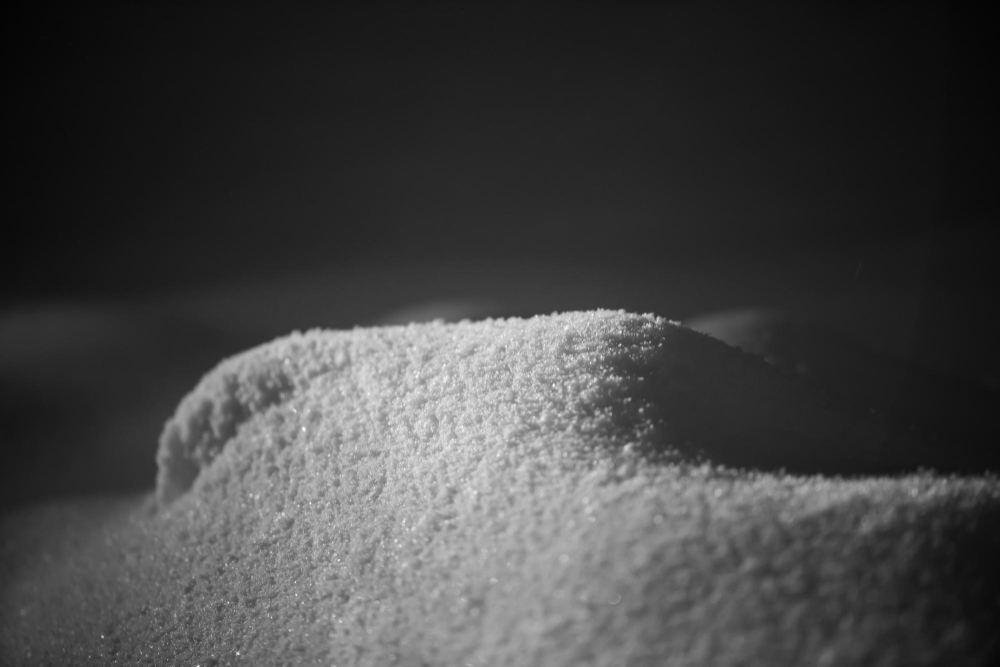
Beta-Alanine
Beta-alanine is a naturally occurring amino acid best known for its role in producing carnosine, a compound stored in skeletal muscle. Carnosine acts as a buffer against hydrogen ions that build up during high-intensity exercise, delaying muscle acidosis and fatigue. This makes beta-alanine especially effective for activities lasting between one and four minutes, such as sprints, rowing, swimming, and circuit training.
For athletes, the benefits of beta-alanine supplementation include improved muscular endurance, the ability to complete more repetitions at a given weight, and greater performance in repeated sprint efforts. By supporting higher training volume and intensity, beta-alanine indirectly contributes to strength and hypertrophy gains over time. Unlike stimulants that provide an immediate boost, beta-alanine works gradually, requiring consistent supplementation to raise muscle carnosine levels.
Research consistently shows beta-alanine to be a safe and effective ergogenic aid, with the main side effect being a harmless tingling sensation known as paresthesia at higher doses. With its strong evidence base and ability to extend high-intensity performance, beta-alanine has become a staple ingredient in many pre-workout formulas and is considered one of the most reliable supplements for athletes focused on power, speed, and endurance.
Beta-alanine is best recognized for its ability to increase muscle carnosine levels, which buffer acid buildup during high-intensity exercise. This results in improved muscular endurance, reduced fatigue, and greater training volume. Over time, these effects translate into better strength, power, and performance adaptations. Because it works at the cellular level rather than providing an immediate boost, beta-alanine is most effective when taken consistently for several weeks.
- Delays muscle fatigue during intense exercise
- Improves muscular endurance for repeated efforts
- Supports training volume by sustaining performance
- Enhances sprint capacity in fast-paced sports
- Complements creatine use for strength and power
Primarily used in pre-workout supplements and endurance blends to increase training capacity, support performance in sprint/power sports, and enhance muscular endurance.
- Hobson, R. M., et al. “Effects of β-Alanine Supplementation on Exercise Performance: A Meta-Analysis.” Amino Acids, vol. 43, no. 1, 2012, pp. 25–37. doi:10.1007/s00726-011-1200-z.
- Saunders, B., et al. “β-Alanine Supplementation to Improve Exercise Capacity and Performance: A Systematic Review and Meta-Analysis.” British Journal of Sports Medicine, vol. 51, no. 8, 2017, pp. 658–669. doi:10.1136/bjsports-2016-096396.
- Blancquaert, L., et al. “Beta-Alanine Supplementation, Muscle Carnosine and Exercise Performance.” Current Opinion in Clinical Nutrition & Metabolic Care, vol. 18, no. 1, 2015, pp. 63–70. doi:10.1097/MCO.0000000000000127.
- Rezende, N. S., et al. “The Effects of β-Alanine Supplementation on Performance in Individuals Undertaking High-Intensity Intermittent Exercise.” Nutrients, vol. 11, no. 2, 2019, p. 480. doi:10.3390/nu11020480.
- Derave, W., et al. “β-Alanine Supplementation Augments Muscle Carnosine Content and Attenuates Fatigue during Repeated Isometric Contraction Bouts in Trained Sprinters.” Journal of Applied Physiology, vol. 103, no. 5, 2007, pp. 1736–1743. doi:10.1152/japplphysiol.00397.2007.